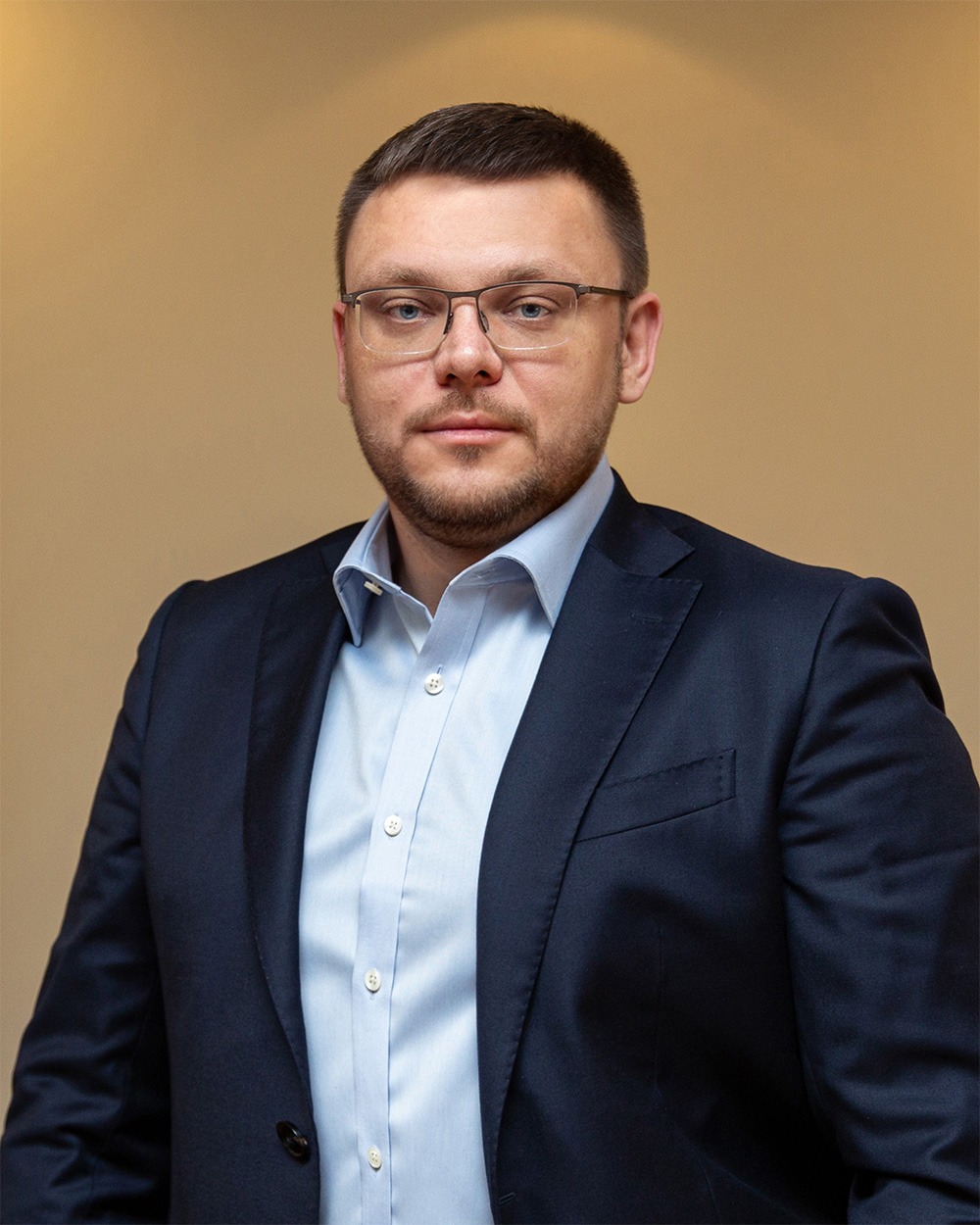
SEMEN KRYVONOS
NABU Director
Dear friends, colleagues, partners!
The first half of 2026 has further removed the half-tones between black and white, between good and evil. In such a coordinate system, the power of words, the power of a correct definition becomes even more significant. For example, people are used to talking about Ukraine as a country with corruption. In reality, Ukraine is a country that is fighting corruption. And fighting it successfully. The difference between these two statements is fundamental, and this is exactly what we have to explain every time. And prove it through daily, painstaking work. In countries where corruption truly goes unpunished, you will never read about the exposure of a minister, a Member of Parliament, or the head of a state-owned company. There is simply no one there to make these exposures. Therefore, a high-profile case is indicative of the health of the system rather than its illness.
Since last summer, we have proven this not with words, but with deeds. The anti-corruption bodies withstood the most serious test in their history and did not stop: we continued investigations in strategic sectors of the economy and defense, brought cases of the highest level of complexity to court, and returned funds to the state, part of which are now working for the Defense Forces. The most important thing we managed to preserve is trust. Last summer, Ukrainian society took to the streets and showed that it considers the independence of anti-corruption institutions part of its own social contract with the state.
Our international partners also see and evaluate our work by the results. After all, the European Union is not just a common market and common rules. It is an ecosystem in which states keep each other in good shape: when there is someone nearby to check the tuning fork against, everyone tries harder. Ukraine wants to become a full-fledged participant in this ecosystem. We have things to learn from our partners, and we already have something to share with them.
I thank everyone who was by our side: the Bureau team, colleagues from SAPO, civil society, journalists, and our international partners. To be continued.
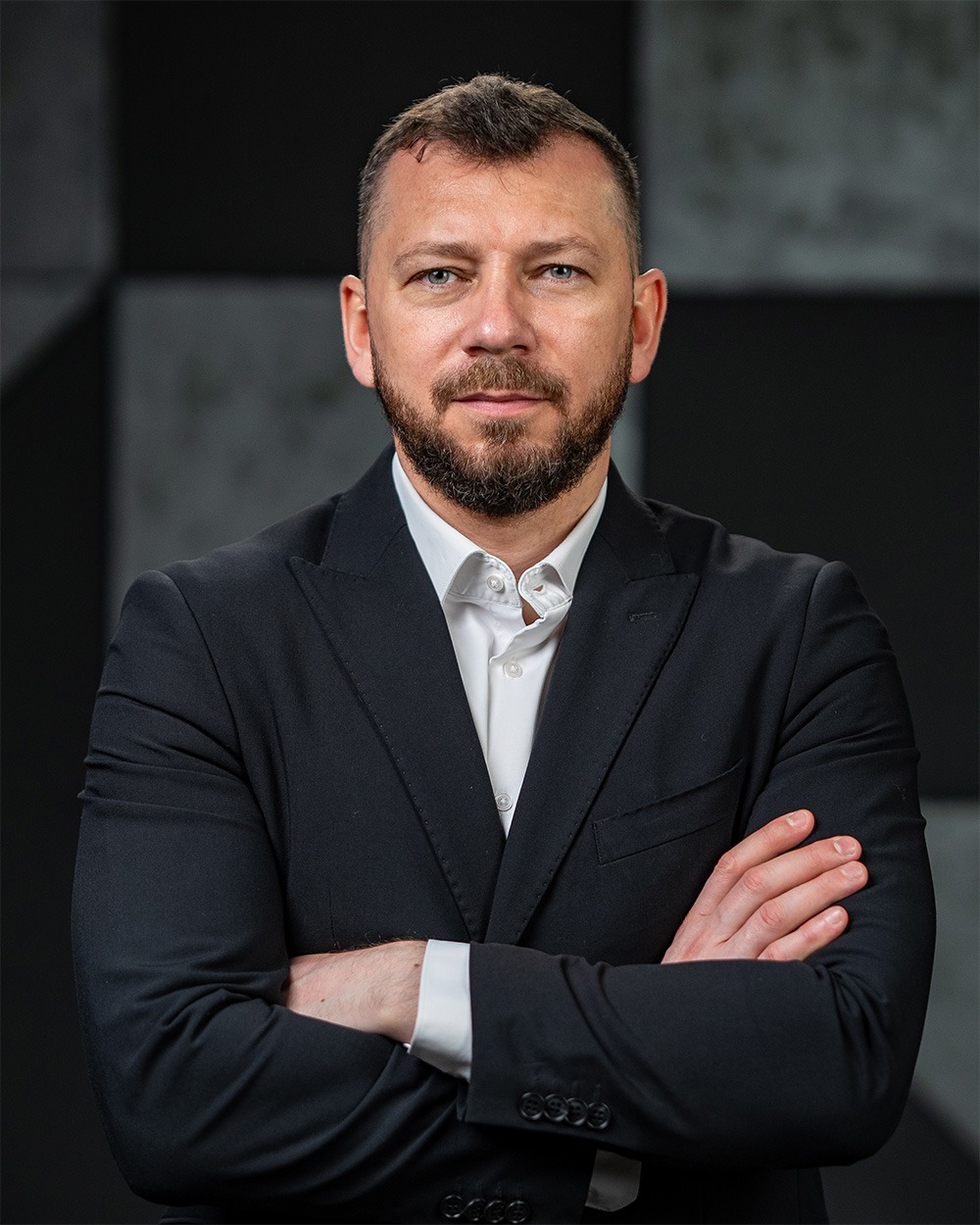
OLEKSANDR KLYMENKO
SAPO Head
First of all, I would like to thank the teams at the Specialized Anti-Corruption Prosecutor's Office (SAPO) and the National Anti-Corruption Bureau of Ukraine (NABU) for their work over the past six months. We have every reason to be proud: today, public office, official status, or political influence no longer shield people from accountability for corruption.
In the first half of 2026, NABU and SAPO served 107 individuals with notices of suspicion, referred 56 indictments involving 106 defendants to court, and secured 55 guilty verdicts against 76 individuals.
Among the key achievements was the continued investigation of the Midas case, which targets a high-level criminal organization in Ukraine's energy sector and the laundering of illicit proceeds.
In the Dynasty Residence case, notices of suspicion were served on the former Head of the Presidential Office, a former Deputy Prime Minister, and other participants in the scheme. In the case involving the former Chief Justice of the Supreme Court, the court handed down a guilty verdict with a custodial sentence, while additional sitting Supreme Court justices were also served with notices of suspicion. In the defence sector, investigators completed the probe into the procurement of unmanned systems and electronic warfare equipment at inflated prices.
Work on civil asset forfeiture also continued. During the first half of 2026, prosecutors filed 23 civil forfeiture claims worth more than UAH 120 million.
The overall economic impact of NABU and SAPO’s work exceeded UAH 21.8 billion (approximately USD 545 million). More than USD 69 million obtained through criminal proceedings, plea agreements, forfeited bail, and other procedural mechanisms was transferred to support Ukraine’s Defence Forces.
At the same time, our investigations continue to be hampered by systemic obstacles that undermine the effectiveness of anti-corruption efforts.
Ukraine needs an independent forensic expert institution protected from interference by suspects, the repeal of Criminal Procedure Code amendments that allow cases to be closed on purely procedural grounds, and an effective extradition framework to ensure that fleeing abroad does not mean escaping justice. SAPO should also be granted the authority to independently register criminal proceedings involving members of parliament and to establish joint investigative teams with international partners.
We will continue to do our part professionally and independently. I am grateful to Ukrainian society and to our international partners for the steadfast support of Ukraine's anti-corruption institutions.
My deepest gratitude goes to Ukraine's Defence Forces, whose courage and sacrifice make it possible for us to continue this work.
INVESTIGATION
In the first half of 2026, NABU and SAPO maintained a high pace of countering high-level corruption. The reporting period was marked by a series of high-profile exposures in the energy and defense sectors, as well as among high-ranking officials.
INTERACTION
NABU's Interaction in H1 2026: Joint Efforts for Results
In the first half of 2026, the interaction of the National Anti-Corruption Bureau of Ukraine with international partners, law enforcement institutions of European Union member states, and civil society remained a vital component of strengthening the independence and institutional capacity of the anti-corruption system. Amidst the war, preparations for large-scale national recovery, and Ukraine's further European integration, international partnership increasingly acquired a practical dimension. The primary focus was placed not only on supporting anti-corruption reforms, but also on creating effective mechanisms to protect international assistance, European Union financing, and national resources earmarked for reconstruction.
CHALLENGES
"The Year to Build"
Last year, the primary task for the National Anti-Corruption Bureau of Ukraine was to preserve its independence. This year, the task is different and more difficult: to convert this independence into capacity. Independence that delivers no results depreciates faster than it can be protected.
APPENDICES
These appendices contain statistical information on the NABU activities in the first half of 2026 as required by Article 26 of the Law of Ukraine “On the National Anti-Corruption Bureau of Ukraine”